I love the color palette on this watch, definitely in keeping with the time of year. I’ve been following this brand for awhile — great value / a lot of mechanical watch for the money.

Photo courtesy of ablogtowatch.com.
I love the color palette on this watch, definitely in keeping with the time of year. I’ve been following this brand for awhile — great value / a lot of mechanical watch for the money.
Photo courtesy of ablogtowatch.com.
The last photo I posted (of a cooked pumpkin with vegetables) made me think of this particular watch, just beautiful.
The Omega Seamaster Planet Ocean 600 M Omega Co-Axial 42 MM…

This dish was amazing. I should add that the “dish” is not a dish — it’s half a pumpkin, delicious.

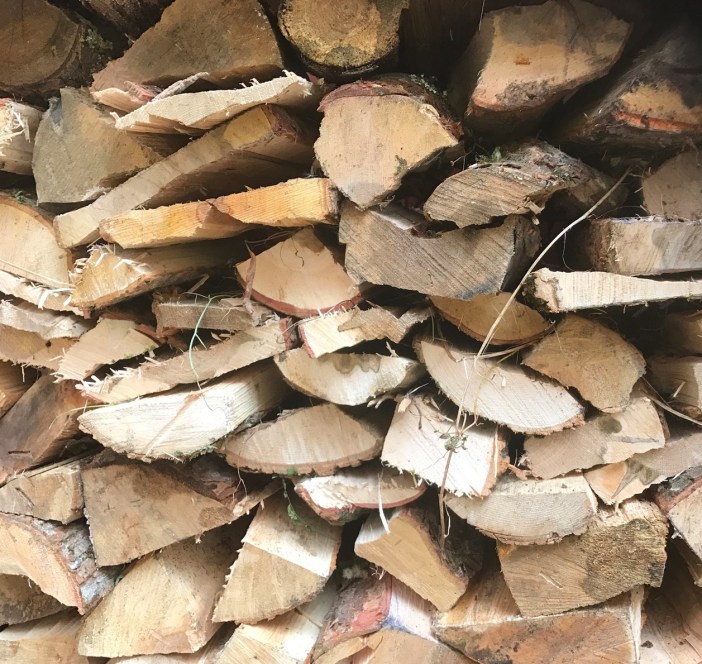
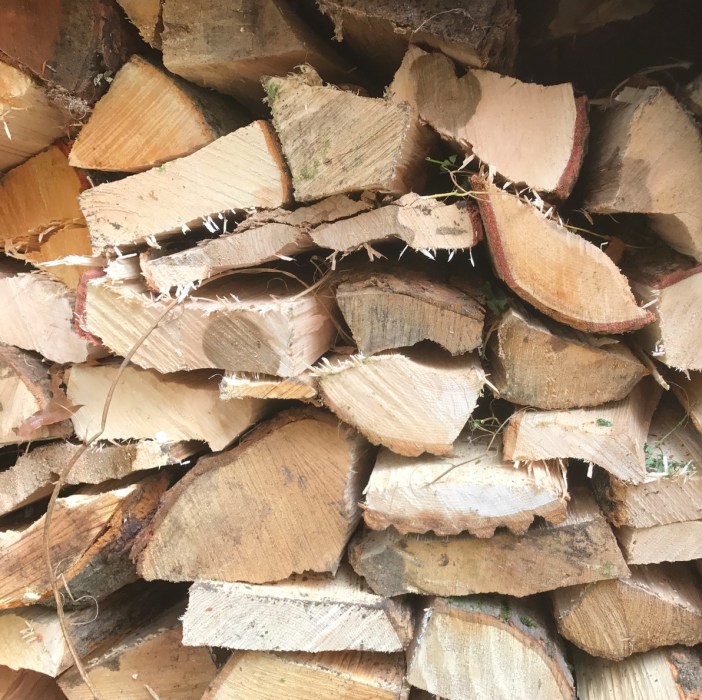
I enjoyed stacking a fresh pile of cut wood for the winter, and now just the site of it floods one’s mind with the endless joy of sitting in front of a wood-burning stove.
Which will happen.

Last night I was lucky enough to attend a performance of Baroque music by four classical musicians — Cello, Piano, and two singers (a Soprano and a Baritone). The event took place in a small church in the Hudson Valley and it was sublime.
In the photo below you can see the church steeple nestled in the trees.

The program included works by Bach, Handel, and Vitali, and I will confess to having experienced strong feelings of appreciation for western culture — its music, its architecture, its spirituality (“Rejoice greatly” was particularly moving, from Handel’s Messiah), its overall sensibility.
It occurred to me that three of the four performers were women and that in many parts of the world (and across thousands of years of history) women are not being / would not have been afforded the opportunity to excel and stand tall as world-class musicians. For that matter, in some places music itself is considered taboo.
But we are here, now, and rejoice greatly.

My father-in-law gave me a book to read called “Longitude, the True Story of a Lone Genius Who Soled the Greatest Scientific Problem of His Time” (Dava Sobel), after my passion for watches rubbed off on him a bit.
 It’s one of the great stories of scientific discovery and human rivalry as various men sought to win the “longitude” prize (GBP 20,000) that had been set up in the year 1714 by the British Parliament for the purpose of giving sailors a tool for determining their positions at sea. The so-called “longitude problem” had caused the death of many ships and crews to the point of affecting the wealth and power of nations, and was, as a result, considered the “thorniest scientific dilemma of the day”.
The prize was won by John Harrison, who solved the problem by inventing a reliable clock (known as “H4”, his fourth solution) that could keep time even while on ship that was rocking about in stormy seas (clocks at the time required a stable foundation for an uninterrupted and smooth pendulum motion).

The intensity of the story comes in part from the way Harrison is repeatedly passed over by the award committee even though his invention is working while other submissions are failing — the Group Think at the time centered around the use of the night sky and mathematics as the “only” solution. The earnest man challenging orthodoxy, suffering, and yet winning in the end (and becoming a legend) is a powerful motif indeed.
Regarding the clock that made him legend, I find it so poetic that Harrison saw fit to make an aesthetically pleasing movement and not just a mechanical device that would perform at sea.

H4 is is so much more than a clock. It is a work of art that saved countless lives.
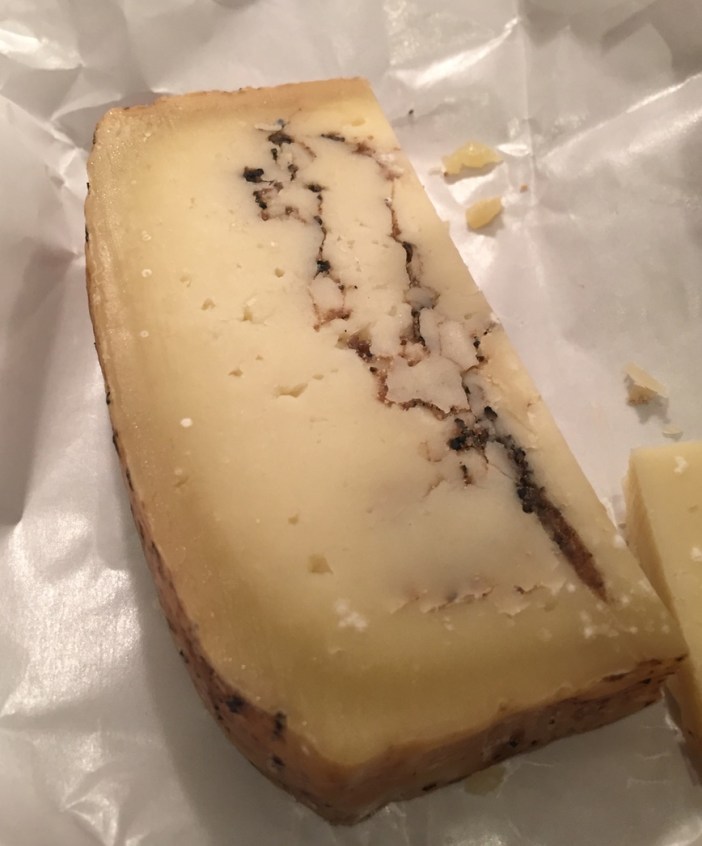
It was only in the last two years that I discovered this wonderful truffle cheese, imported from Italy. It is almost a delicacy in its intensity and more like a dessert than anything else. I hope you all have tried it…
I do love the world-time complication, in which 24 or more timezones are represented around the dial and a disc rotates counter-clockwise to indicate the time in each of the cities shown.

Always a nice sight on the way to your Caribbean destination…

I do not own this watch, but wish I did. In person, this particular brand is far more spectacular than it is in photos, which is the opposite of nearly every other fine watch. Just breathtaking in the flesh, a radiant and deep energy of quality.

 FocusedPleasure